
Urban spaces are the heartbeat of any city, bustling with life, culture, and endless opportunities. However, to truly thrive, urban areas must be designed and maintained with their residents’ and visitors’ needs and comfort in mind.
One often overlooked but crucial aspect of urban planning is street furniture, which includes car park, facilities safety, pedestrian products and street furniture, and various other elements. This article will explore how street furniture improves urban spaces by enhancing livability and functionality.
Promoting Social Interaction
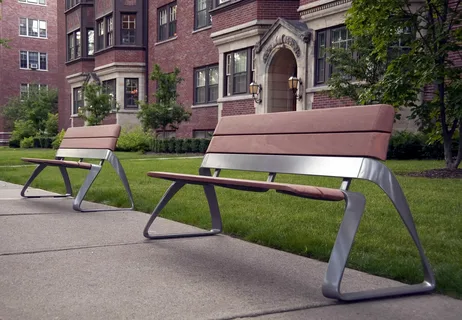
One of the most significant benefits of street furniture in urban spaces is its ability to promote social interaction. Public benches, for example, provide a comfortable and inviting place for people to sit, relax, and engage in conversations.
These seating options encourage people to linger in public spaces, fostering community and connection among residents and visitors alike. When well-placed, these seating areas can also act as gathering points for events, impromptu performances, and community meetings, further enhancing the city’s social fabric.
Enhancing Walkability
Walkability is a critical aspect of urban planning that directly impacts the quality of life in a city. Street furniture contributes to this by providing resting spots along walking paths, making it more convenient for pedestrians to navigate the city on foot.
Benches, especially in green spaces or along pedestrian-friendly boulevards, encourage people to walk and explore their surroundings rather than relying solely on cars or public transportation. This reduction in reliance on vehicles not only reduces traffic congestion but also contributes to a cleaner and more sustainable urban environment.
Supporting Public Health
Street furniture plays a vital role in promoting public health in urban areas. Benches, bike racks, and fitness stations encourage physical activity by providing convenient facilities for people to take breaks, exercise, or even practice yoga.
By making it easier for residents to incorporate physical activity into their daily routines, street furniture contributes to overall well-being and healthier lifestyles. Additionally, parks and green spaces with ample seating provide opportunities for relaxation and stress reduction, which are essential for mental health.
Increasing Safety
Well-designed street furniture can enhance safety in urban spaces. Adequate lighting, public seating, and well-maintained bus stops improve visibility and deter criminal activity in public areas, making residents and visitors feel safer.
Additionally, bus shelters and waiting areas offer protection from the elements, ensuring that people can comfortably and securely wait for public transportation services, which can be especially critical during inclement weather or late hours.
Encouraging Sustainable Practices
Sustainability is a growing concern in urban planning, and street furniture can play a part in addressing this issue. Many modern cities incorporate eco-friendly designs into their street furniture, such as solar-powered charging stations, recycling bins, and bike-sharing stations.
These elements promote sustainable practices, reduce waste, and encourage alternative transportation options, ultimately contributing to a greener and more eco-conscious urban environment.
Beautifying Urban Spaces
Street furniture isn’t just functional; it can also enhance the aesthetic appeal of urban areas. Well-designed benches, street lamps, and decorative planters can transform drab and uninspiring spaces into visually pleasing and inviting areas.
This aesthetic enhancement not only adds to the overall charm of a city but also attracts tourists and encourages people to spend more time in public spaces, benefiting local businesses and the economy.
Supporting Accessibility
Accessibility is a fundamental consideration in urban planning, ensuring that all residents, including those with disabilities, can navigate and enjoy public spaces. Street furniture can be designed with accessibility in mind, incorporating features such as ramps, tactile paving, and seating options that accommodate individuals with mobility challenges.
By addressing accessibility, urban planners make their cities more inclusive and equitable, fostering a sense of belonging among all community members.
Fostering Creativity and Artistic Expression
Creative and artistic street furniture installations can transform urban spaces into hubs of artistic expression. Public art installations, interactive sculptures, and creatively designed benches can serve as focal points that inspire creativity and conversation among residents and visitors.
These installations breathe life into otherwise mundane areas, making the urban environment more engaging and culturally vibrant.
Boosting Economic Development
Street furniture can have a positive impact on economic development in urban areas. Well-maintained and attractive public spaces with comfortable seating encourage people to spend more time outdoors.
This increased foot traffic can benefit local businesses, as people are more likely to shop, dine, or patronise nearby establishments when they are already in the area. Furthermore, street furniture can be strategically placed in areas with potential for economic growth, effectively revitalising neglected parts of a city.
Conclusion
Street furniture may seem like a minor detail in the grand scheme of urban planning, but its impact on the livability and functionality of cities cannot be understated. By promoting social interaction, enhancing walkability, supporting public health, increasing safety, encouraging sustainable practices, beautifying urban spaces, supporting accessibility, fostering creativity and artistic expression, and boosting economic development, street furniture plays a crucial role in making cities more vibrant, welcoming, and sustainable places to live, work, and visit.


