
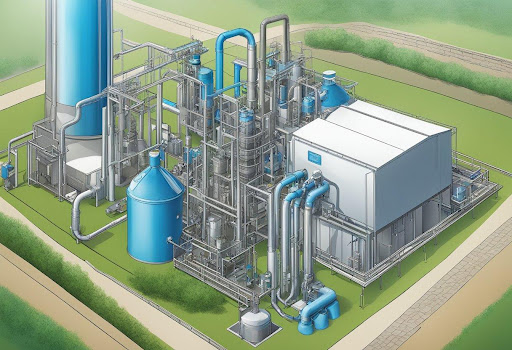
Water treatment is a process that involves the removal of contaminants and impurities from water. This is done to make the water safe for human consumption and for other uses such as irrigation, industrial processes, and recreational activities. The treatment process can vary depending on the source of the water and the intended use and hence many opt for business water comparison to know the best option for their organization.
The water treatment process starts with the collection of water from its source, which can be from a river, lake, or groundwater. The collected water is then transported to a water treatment plant where it undergoes several treatment processes. These processes can include physical, chemical, and biological treatments, which are designed to remove contaminants such as bacteria, viruses, and chemicals. The treated water is then tested to ensure that it meets the required standards before it is distributed to consumers.
The Water Treatment Process
https://www.youtube.com/watch?v=s8IVjQg7yno&embed=true
Water treatment is the process of purifying water to make it safe for human consumption. The water treatment process involves several stages, each designed to remove impurities and contaminants from the water.
Water Sources and Collection
The water that comes out of our taps starts off as rainwater. This rainwater either flows into rivers and streams or filters through the earth to form groundwater. Water is collected from these sources and transported to the water treatment plant.
Preliminary Treatment
The first stage of the water treatment process is preliminary treatment. During this stage, large debris and solids are removed from the water. This is done using screens and grit chambers. The screens remove large objects like sticks and leaves, while the grit chambers remove sand and other small particles.
Primary Treatment
The next stage of the water treatment process is primary treatment. During this stage, the water is treated with chemicals to remove suspended solids and organic matter. The most common chemical used during this stage is aluminium sulphate, which causes the suspended solids to clump together and settle to the bottom of the treatment tank.
Secondary Treatment
The third stage of the water treatment process is secondary treatment. During this stage, the water is treated with microorganisms to remove any remaining organic matter. This is done using a biological treatment process, where the microorganisms consume the organic matter and convert it into harmless substances like water and carbon dioxide.
Tertiary Treatment
The fourth stage of the water treatment process is tertiary treatment. During this stage, the water is treated with additional chemicals to remove any remaining contaminants. This is done using a variety of methods, including filtration, disinfection, and reverse osmosis.
Sludge Treatment
During the water treatment process, sludge is produced as a by-product. Sludge is made up of the solids that are removed from the water during the treatment process. Sludge is treated separately and can be used as a fertilizer or disposed of in landfills.
Distribution and Use
Once the water has been treated, it is stored in covered reservoirs before being distributed to homes and businesses through a network of pipes and pumping stations. The quality of the water is constantly monitored to ensure that it meets the required standards for human consumption.
In conclusion, the water treatment process is a complex process that involves several stages. Each stage is designed to remove impurities and contaminants from the water to make it safe for human consumption. The water treatment process is essential for ensuring that we have access to clean and safe drinking water.
FAQ
Water treatment can be a complex process, and many people may have questions about it. Here are some frequently asked questions that may help clarify the process:
- What is water treatment? Water treatment is the process of removing impurities and contaminants from water to make it safe for consumption and use.
- How is water treated? Water treatment involves several steps, including coagulation, sedimentation, filtration, disinfection, and sometimes additional treatments like softening or fluoridation.
- What are some common contaminants in water? Common contaminants in water include bacteria, viruses, chemicals, minerals, and particulates.
- How does water treatment remove contaminants? Water treatment removes contaminants through a combination of physical, chemical, and biological processes. For example, sedimentation removes particulates by allowing them to settle to the bottom of a tank, while disinfection kills bacteria and viruses with chemicals like chlorine or ultraviolet light.
- Is treated water safe to drink? Yes, treated water is safe to drink. Water treatment facilities are highly regulated and must meet strict standards to ensure the safety of the water they produce.
- What happens to the impurities and contaminants that are removed during water treatment? The impurities and contaminants that are removed during water treatment are typically disposed of in an environmentally responsible manner, such as being sent to a landfill or treated at a hazardous waste facility.
- What can individuals do to help ensure the safety of their drinking water? Individuals can take steps like using a water filter, properly disposing of hazardous materials, and reporting any concerns about the quality of their water to their local water authority.
Overall, water treatment is an essential process that helps ensure the safety and quality of our drinking water. By understanding how water treatment works and taking steps to protect our water sources, we can help ensure that everyone has access to clean, safe drinking water.
Conclusion
https://www.youtube.com/watch?v=DBiSVfF62PE&embed=true
In conclusion, water treatment is a crucial process that ensures the provision of clean and safe water for human consumption. The process involves various stages, including coagulation, flocculation, sedimentation, filtration, and disinfection. The water treatment process removes contaminants, viruses, and germs that may be present in the water.
The quality of water is tested regularly to ensure that it meets the standards set by the law. The pH levels of water are also monitored to ensure that they are within the acceptable range. The Environment Agency is responsible for enforcing the law and ensuring that water treatment plants comply with the regulations.
The water treatment process is essential for protecting public health and the environment. It helps to prevent the spread of waterborne diseases and reduces the impact of pollution on aquatic life. Water treatment plants play a crucial role in ensuring that water is safe for human consumption.
In summary, water treatment is a complex process that involves multiple stages and tests to ensure that water is safe for human consumption. The law regulates the quality of water, and the Environment Agency enforces the regulations. Water treatment plants play a vital role in providing clean and safe water for everyone.


