The bakery industry is undergoing a significant transformation, driven by the advent of technology and changing consumer demands. In this dynamic landscape, the efficiency of operations plays a crucial role in determining the success of a bakery business.
One technology that stands at the forefront of this revolution is the bread packaging machine. Offering a blend of speed, precision, and quality, these machines are not just about wrapping bread – they are about redefining how bakeries operate.
This article explores the various facets of bread packaging machines and how they can bring a multitude of benefits to your enterprise.
Understanding Bread Packaging Machines
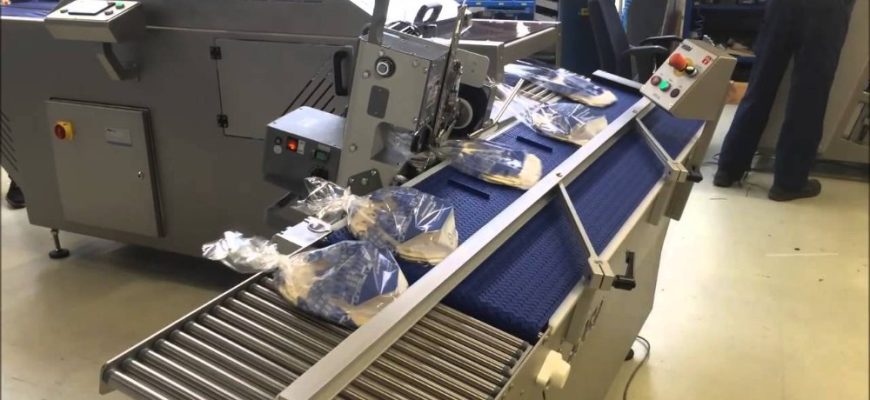
Bread packaging machines, designed to automate the wrapping, sealing, and sometimes even slicing of bread and bakery products, represent a leap in packaging technology. These machines come in various forms, from simple wrapping units to complex systems integrating cutting and sealing functionalities.
Equipped with advanced mechanisms, such as optical sensors and robotic arms, they efficiently handle different sizes and shapes of bread, ensuring uniformity and reducing manual intervention.
Types of Machines
The market offers a diverse range of bread packaging machines, including:
– Semi-automatic machines: Ideal for smaller bakeries with moderate production needs.
– Fully automatic machines: Best suited for larger operations with high-volume demands.
– Vacuum packaging machines: Specialized for extending shelf life and preserving freshness.
Benefits of Using Bread Packaging Machines
Increased Efficiency and Productivity
Speed of Packaging
One of the most significant advantages is the sheer speed at which these machines operate, dramatically reducing the time taken to package products compared to manual methods.
Labor Reduction
By automating the packaging process, bakeries can allocate their workforce to more critical tasks, optimizing labor usage.
Enhanced Product Quality and Shelf Life
Maintaining Freshness
Automated packaging ensures that the products are sealed promptly and efficiently, preserving freshness for a longer period.
Consistent Quality
Machines provide uniform packaging, enhancing the overall presentation and quality perception of the product.
Cost-Effectiveness
Long-term Savings
Though the initial investment might seem substantial, the long-term savings in labor, time, and materials are considerable.
Reduced Waste
With precision in packaging, there’s a significant reduction in material wastage.
Customization and Versatility
Adaptable Packaging
Machines can be adjusted to accommodate various sizes and types of bread, offering flexibility to bakeries with diverse product ranges.
Design Flexibility
They also allow for customized packaging designs, which can be pivotal in branding and marketing strategies.
Improved Hygiene and Safety
Minimized Human Contact
Automated packaging reduces the need for human handling, thereby enhancing the hygiene quotient of the product.
Regulatory Compliance
These machines are designed to comply with food safety standards, ensuring that your products meet the required health and safety norms.
Choosing the Right Bread Packaging Machine for Your Enterprise
Selecting the ideal bread packaging machine for your enterprise requires careful consideration of several factors:
Assessing Your Needs
Firstly, evaluate your production volume, space constraints, and the types of bread you produce. This assessment will guide you in choosing between semi-automatic and fully automatic machines, as well as the size and features of the machine.
Reliability and Support
Research manufacturers and suppliers who are known for quality and reliability. Ensure that they offer robust after-sales support and maintenance services. It’s crucial to have a machine that not only performs well but is also supported by timely technical assistance.
Cost vs. Benefit Analysis
While the initial investment might seem high, consider the long-term benefits such as labor cost savings, increased production capacity, and waste reduction. A thorough cost-benefit analysis will help in making an informed decision.
Ease of Use and Maintenance
Select a machine that is user-friendly and easy to maintain. The simplicity of operation and maintenance ensures minimal downtime and keeps the machine running efficiently.
Future of Bread Packaging: Innovations and Trends
As we gaze into the future of bread packaging, a wave of innovations is set to revolutionize the industry. One of the most notable trends is the shift towards eco-friendly solutions. With increasing environmental awareness, there’s a growing emphasis on using biodegradable and recyclable materials in packaging. This not only caters to environmental concerns but also resonates with the eco-conscious consumer base.
Another significant advancement is the integration of smart technologies. The use of RFID (Radio-Frequency Identification) tags and IoT (Internet of Things) sensors in packaging is poised to bring about a transformative change. These technologies offer numerous benefits, such as tracking product freshness, monitoring storage conditions, and providing consumers with detailed information about the product’s origin and nutritional content. This integration signifies a move towards more intelligent and responsive packaging solutions that can enhance the customer experience while ensuring product quality and safety.
Eco-Friendly Solutions
With a growing emphasis on sustainability, future bread packaging machines will likely focus more on using biodegradable and recyclable materials. This shift will not only cater to environmental concerns but also appeal to the eco-conscious consumer base.
Smart Packaging Technologies
Integration of smart technologies like RFID (Radio-Frequency Identification) tags and IoT (Internet of Things) sensors in packaging can offer benefits such as tracking product freshness, monitoring storage conditions, and even providing consumers with information about the product’s origin and nutritional content.
Automation and AI Integration
Advancements in AI and machine learning can lead to more sophisticated automation in packaging machines. These technologies could enable predictive maintenance, real-time adjustments for optimal packaging, and enhanced quality control.
Customization at Scale
As consumer preferences continue to evolve, there will be a greater demand for personalized and customized packaging. Future packaging machines will likely offer greater flexibility and options for customization, even for small-scale operations.
Conclusion
In the fast-paced world of the bakery business, staying ahead of the curve is essential. Bread packaging machines are not just a piece of equipment; they are a strategic investment that can redefine the way you operate and how your product is perceived in the market. From enhancing efficiency to ensuring consistent quality, these machines offer a plethora of benefits that can propel your business forward.
As we have explored in this article, the decision to integrate a bread packaging machine into your operation is multifaceted. It involves understanding your needs, choosing the right machine, and implementing it effectively within your business framework. With the right approach, this technology can be a catalyst for growth, efficiency, and success.